Chinese · Gluten free4 min read
Is Chinese food gluten free?
What is usually fine, what to ask about, and what to skip at a Chinese restaurant.
By the Forkiee editorial team. Reviewed by an editor before publishing. Editorial standards.
Short answer
Usually not by default. Soy sauce, the base of most Chinese restaurant sauces, typically contains wheat, and many favorites are battered, wrapped or made with wheat noodles. Plain steamed rice and dishes cooked without soy sauce, or with a wheat-free tamari, are the safest orders. Ask the kitchen every time.
The menu at a glance
- Plain steamed riceRice is naturally gluten free.
- Steamed dishes, ordered plainVegetables, fish or chicken steamed without sauce. Add your own wheat-free tamari at the table.
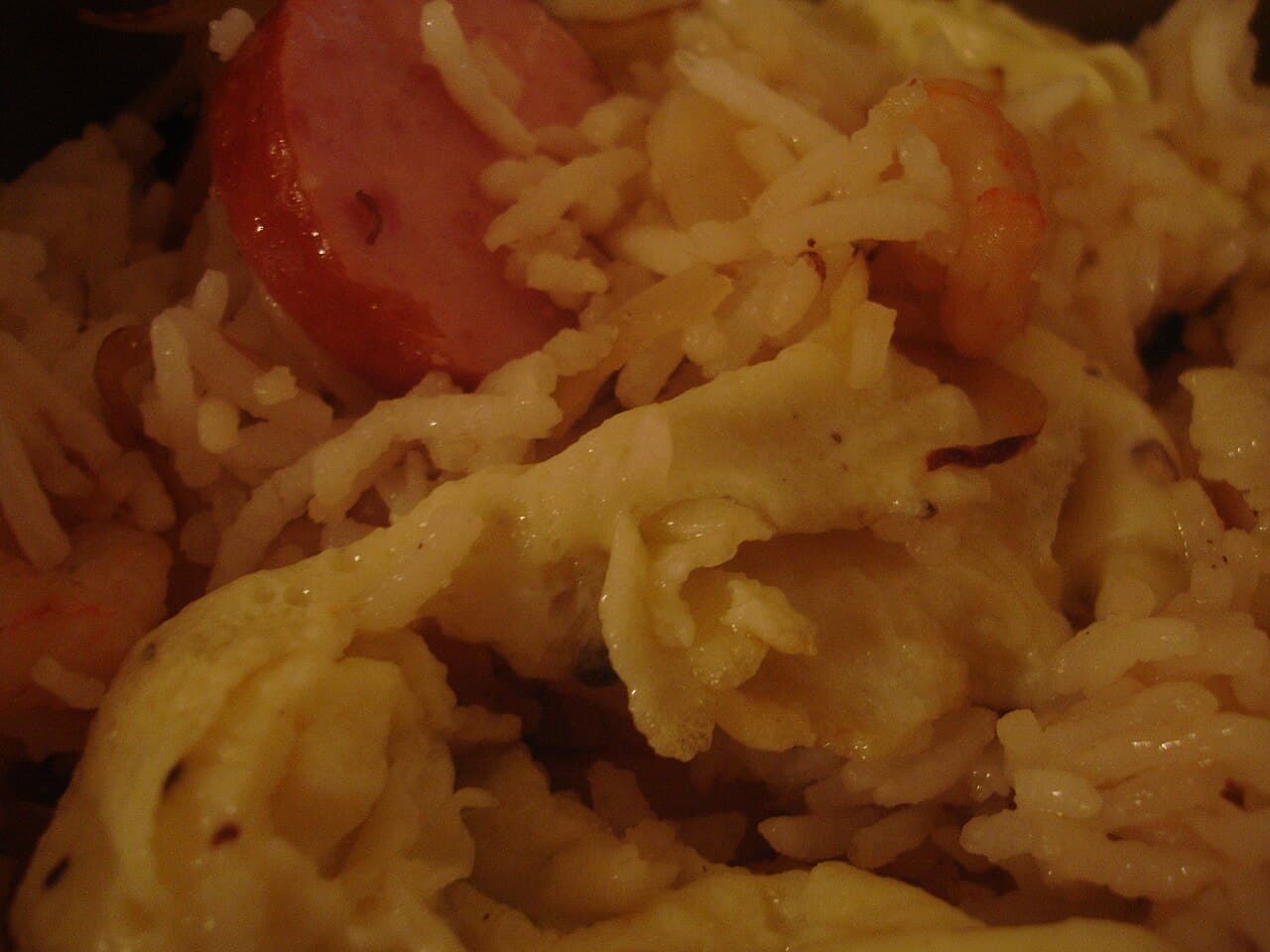
- Fried riceThe rice is fine; the soy sauce usually is not. Ask for it without, or with tamari.
- Rice noodle dishesChow fun, ho fun and mei fun use rice noodles, but the sauce is usually soy based.
- Brown-sauce stir-friesBeef with broccoli and similar dishes often use oyster sauce, which frequently contains soy sauce or wheat.
- SoupsEgg drop and hot and sour soup are usually thickened with cornstarch, but the broth is often seasoned with soy sauce.
- Cantonese steamed fishOften finished with a soy-based dressing. Ask for it on the side, or left off.
- Lo mein and chow meinMade with wheat noodles.
- Dumplings, wontons, bao, spring rollsWrapped in wheat dough.
- Battered and fried dishesGeneral Tso's, sweet and sour, orange and sesame chicken: wheat batter, and often a shared fryer.
- Hoisin-glazed dishesClassic hoisin sauce lists wheat flour as an ingredient. Moo shu and Peking duck also come with wheat pancakes.
Where gluten hides in Chinese food
- Soy sauce
- Hoisin and oyster sauce
- Batter, wrappers and noodles
- Cross-contact
Soy sauce. Standard soy sauce typically contains wheat. Tamari made without wheat is gluten free, but restaurants rarely stock it unless they run a gluten-free menu.1
Hoisin and oyster sauce. A classic hoisin lists wheat flour inside its fermented soybean paste. Most oyster sauces contain soy sauce or wheat flour as well; gluten-free versions of both exist, so the answer depends on the bottle in that kitchen.2,3,4,5
Batter, wrappers and noodles. Anything crispy, wrapped or made with egg noodles is usually wheat. Sauces thickened with flour instead of cornstarch add more risk.1
Cross-contact. Shared fryers, woks and ladles can carry gluten into a dish that has none on paper. For celiac disease, this matters as much as the ingredients.1
What to ask the waiter
- Is there soy sauce, hoisin or oyster sauce in this dish, or in the marinade?
- Can the kitchen make it without soy sauce, or with a wheat-free tamari?
- Is the sauce thickened with cornstarch or with flour?
- Is it cooked in the same wok or fryer as battered or noodle dishes?
If you have celiac disease, ask the fourth question every time. If the kitchen cannot tell you, plain steamed rice is the careful choice, or eat elsewhere.
Questions people ask
What Chinese food is normally gluten free?
Plain steamed rice, and dishes steamed or stir-fried without soy sauce, hoisin or oyster sauce. Very little is gluten free by default, so the safest dishes are the ones the kitchen makes on request.
Does Chinese fried rice have gluten?
The rice does not, but most restaurants add soy sauce, which typically contains wheat. Ask for fried rice made without soy sauce, or with a wheat-free tamari, and cooked in a clean wok.
Does chow mein have gluten?
Yes, usually. Chow mein and lo mein use wheat egg noodles and are seasoned with soy sauce. Chow fun or mei fun, made with rice noodles, can work if the sauce is changed.
Can I eat Chinese food with celiac disease?
Many people with celiac disease do, at restaurants that can confirm the ingredients and keep the dish away from shared fryers and woks. This page is general information, not medical advice; recipes differ from kitchen to kitchen.
Keep exploring
Sources
Good to know
This article is for information only and is not medical or dietary advice. Talk to a qualified healthcare professional before changing how you eat, especially if you live with celiac disease, a severe food allergy or another health condition.
How this page was made. Written by the Forkiee editorial team with AI assistance and checked against the sources above and the allergen and diet lists the Forkiee app uses. Recipes change from kitchen to kitchen, so ask.